
Description
Product Overview
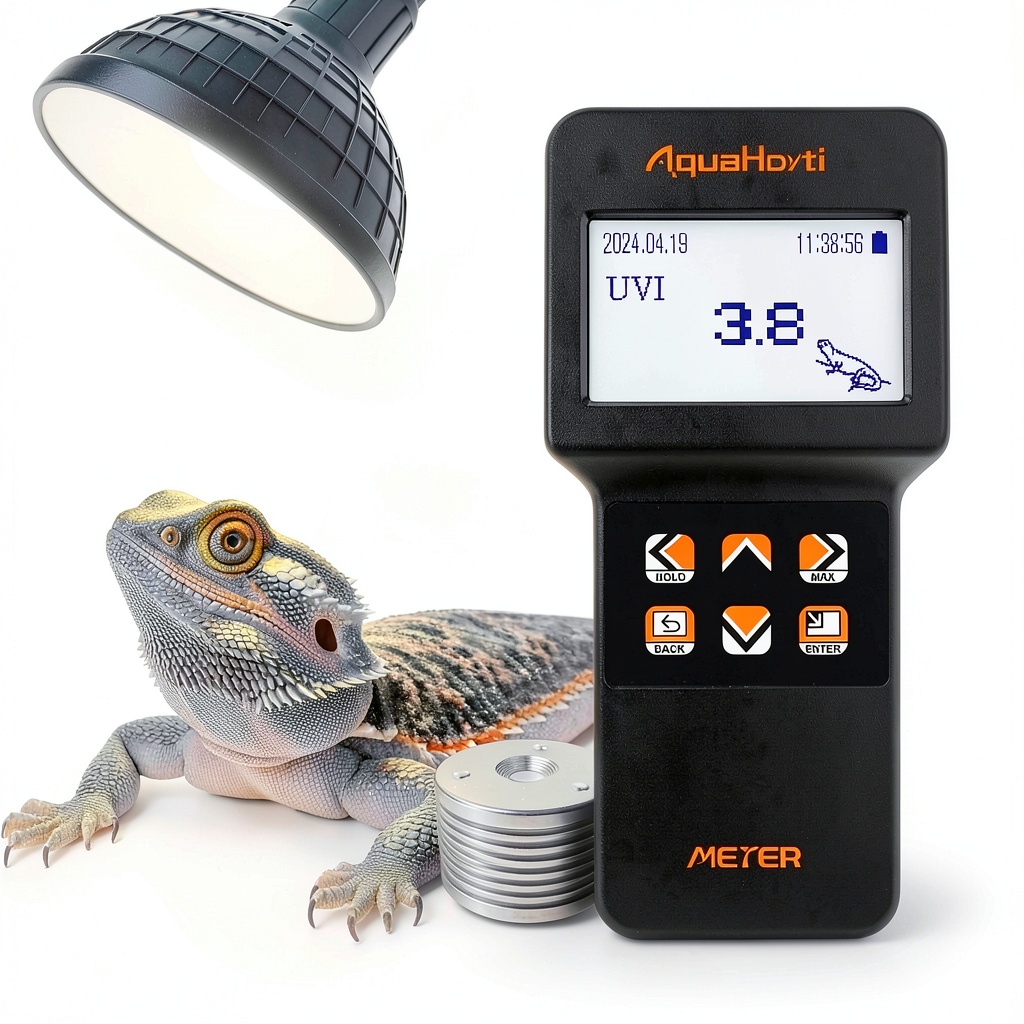
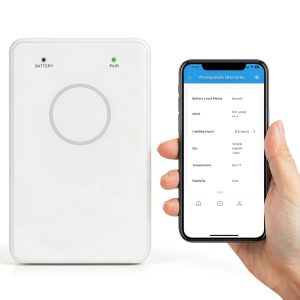
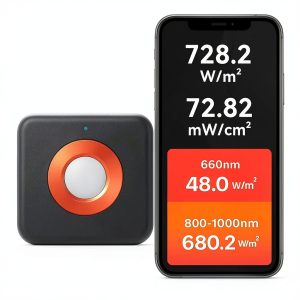
The De Power AH‑UVI UV Index Meter is a compact, handheld instrument designed for precise measurement of ultraviolet B (UVB) radiation emitted by laboratory lamps, LED devices, and natural sunlight. Built around a rigorously calibrated sensor, the device delivers reliable UV index readings that help researchers, technicians, and safety officers verify compliance with exposure standards. Its sturdy ABS housing protects internal components from accidental drops, while the ergonomic shape fits comfortably in the hand for extended use.
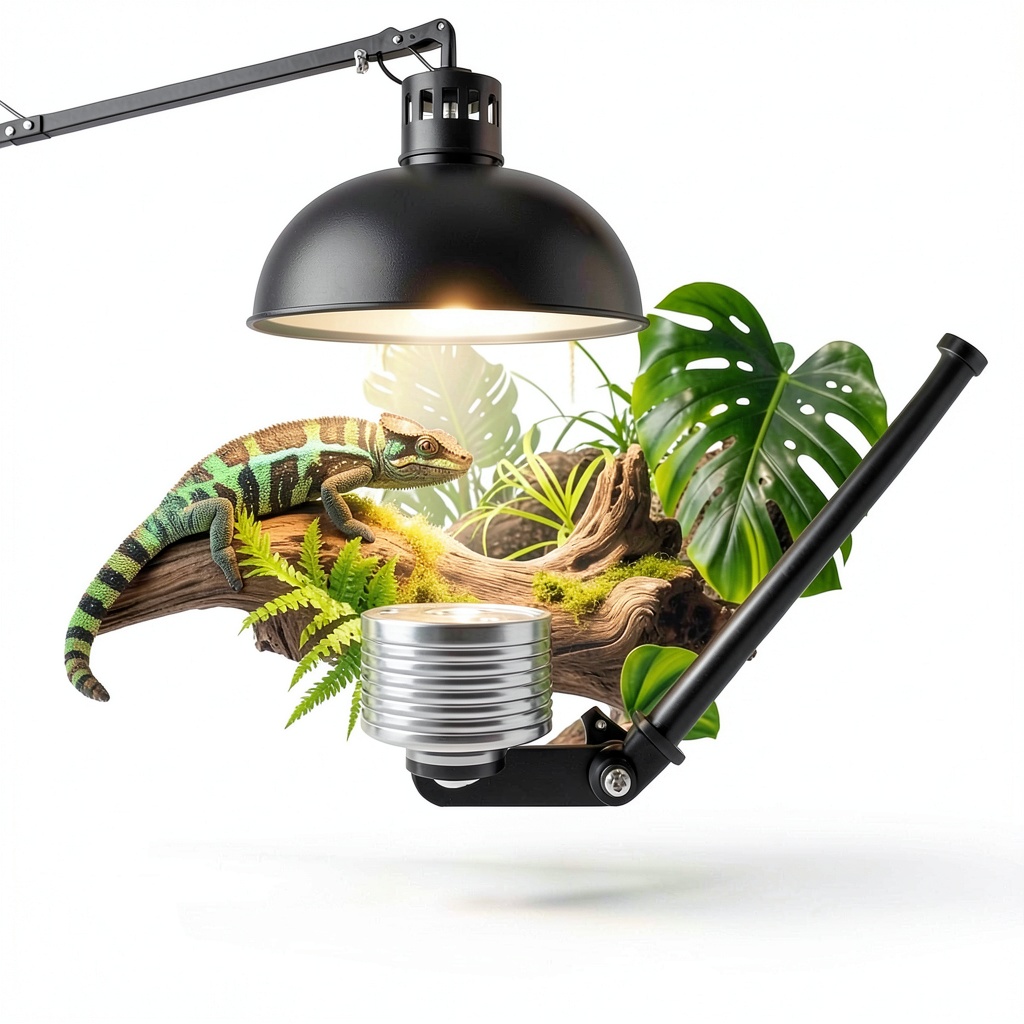
Measuring UVB intensity is critical in applications such as phototherapy, plant growth chambers, and material testing, where over‑exposure can damage biological samples or degrade sensitive components. The AH‑UVI provides a quick, non‑destructive method to map UV distribution across a surface, allowing users to identify hotspots and adjust lamp positioning or shielding accordingly. The instrument’s built‑in telescopic rod extends the sensor up to 30 cm, enabling safe distance testing of high‑intensity sources without direct eye contact.
The device operates on three AAA batteries, which are included in the package, providing up to 200 hours of continuous use before replacement is required. Battery status is indicated by a low‑power LED, ensuring users are never caught off‑guard by a sudden shutdown. All measurements are displayed on a high‑contrast LCD screen that shows the UV index value, ambient temperature, and battery level simultaneously, simplifying data collection during field surveys.
Technical specifications include a measurement range of 0‑15 UV index units, an accuracy of ±0.2 units, and a response time of less than one second. The sensor is calibrated against NIST‑traceable standards for both fluorescent and LED UVB sources, guaranteeing traceability and repeatability across multiple testing sessions. The compact dimensions of 13.62 × 8.74 × 2.32 inches and a weight of 1.76 lb make the AH‑UVI easy to transport in a standard lab kit or field backpack.
Compliance with international safety standards is built into the AH‑UVI’s design. The device meets IEC 62471 requirements for photobiological safety and carries CE marking for European market distribution. Additionally, the sensor’s calibration certificates are available upon request, allowing laboratories to document measurement traceability for ISO 17025 accreditation. The instrument’s low electromagnetic emissions also satisfy FCC Part 15 regulations, making it suitable for use in sensitive electronic environments without causing interference. The robust construction also complies with IP54 rating for dust and splash resistance, extending the device’s lifespan in harsh laboratory or field conditions. Users benefit from a product that not only delivers precise data but also adheres to rigorous regulatory criteria, simplifying compliance documentation for safety audits.
![[Product front view showing all components]](https://www.tixor.store/wp-content/uploads/2026/06/273841ae4ab64ad79ea0569cb7d7e0ec.jpg)
Usage
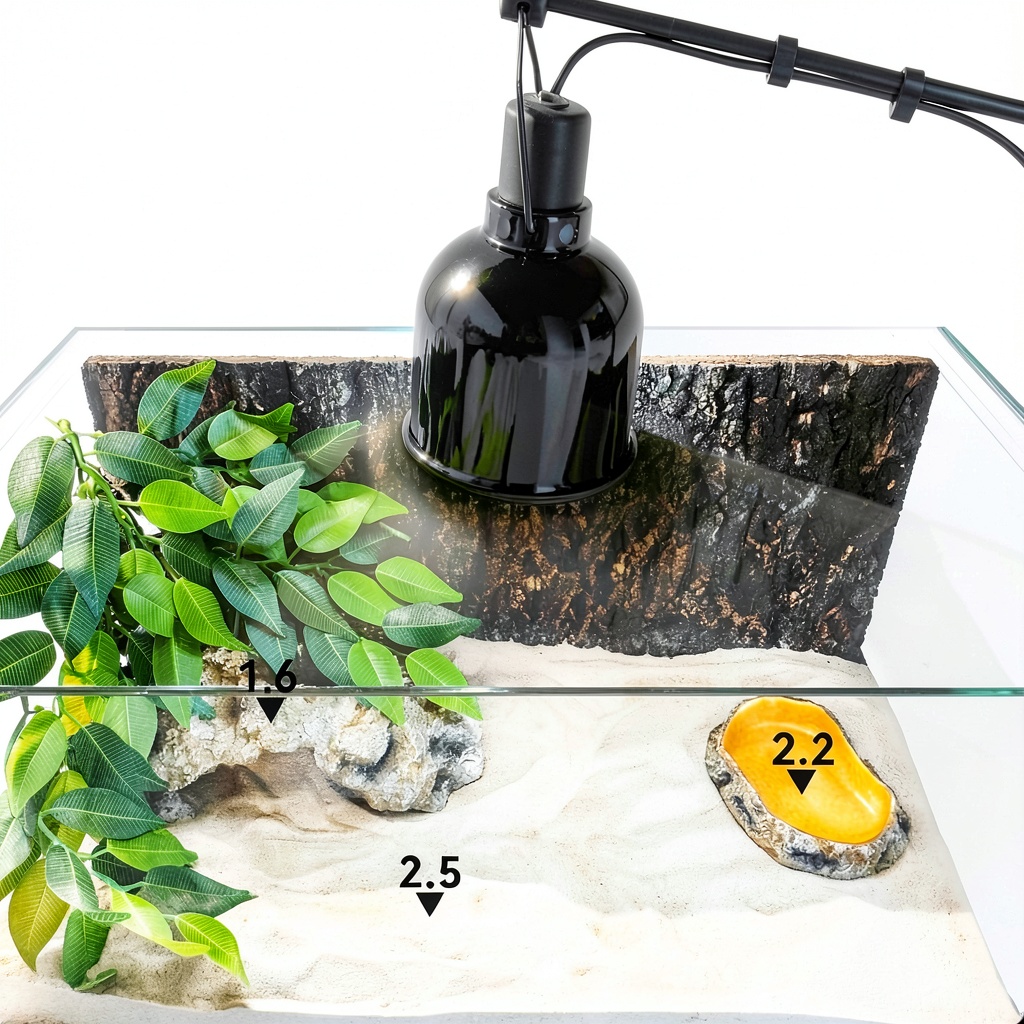
In a typical laboratory setting, the AH‑UVI is used to verify the output of UVB fluorescent lamps before they are installed in phototherapy rigs or cell culture incubators. Technicians place the sensor at the intended work plane, extend the telescopic rod to the recommended testing distance, and record the index reading. If the value exceeds the prescribed safety limit, the lamp can be repositioned or filtered, ensuring compliance with occupational health guidelines.
For field researchers studying sunlight exposure in outdoor environments, the portable nature of the AH‑UVI allows measurements to be taken on rooftops, in greenhouses, or directly on agricultural plots. By positioning the sensor at canopy height and using the telescopic rod to avoid direct eye exposure, users can map UV index gradients across a plot and correlate them with plant growth data. The device’s rugged housing resists dust and moisture, making it suitable for daily use in variable weather conditions.
Safety officers in industrial facilities also benefit from the AH‑UVI when inspecting UV curing stations used for polymer hardening. The instrument quickly identifies areas where UV intensity is insufficient, which could lead to incomplete curing and product defects. Conversely, it flags zones where intensity is excessively high, prompting the installation of shielding or the adjustment of exposure time. The quick readout and clear LCD display enable rapid decision‑making without the need for complex calibration procedures.
Training staff to operate the AH‑UVI is straightforward thanks to the intuitive interface and clear on‑screen prompts. A short onboarding session covering sensor placement, telescopic rod adjustment, and interpretation of index values equips users to perform reliable measurements within minutes. The device’s data can be recorded manually or exported via a USB connection to compatible software for batch analysis, facilitating integration into existing quality management systems. By standardizing UV monitoring procedures, organizations reduce the risk of non‑compliance and improve overall safety culture. Regular calibration checks, documented in the accompanying logbook, ensure long‑term accuracy. The portable form factor also allows field auditors to verify compliance on‑site without disrupting production workflows.
Why Choose Us
De Power’s commitment to quality is reflected in the AH‑UVI’s rigorous manufacturing process, which includes multiple stages of sensor verification, housing integrity testing, and final performance validation. Each unit is assigned a unique serial number that links back to a detailed production record, providing traceability for customers who require documented compliance for regulatory audits.
The sensor’s calibration is performed under both UVB fluorescent and LED light conditions, ensuring accurate readings regardless of the source technology. This dual‑calibration approach eliminates the need for separate devices, reducing inventory costs and simplifying maintenance for laboratories that operate a mix of lighting equipment.
Customer support extends beyond the purchase with a one‑year warranty, free firmware updates, and access to an online knowledge base that includes troubleshooting guides, calibration certificates, and application notes. De Power’s technical team is available via email or phone to assist with any installation or measurement queries, reinforcing confidence in long‑term performance.
Key Features
- Accurate UVB measurement from 0 to 15 index units, calibrated against NIST standards for both fluorescent and LED sources, providing reliable data for safety compliance and research protocols.
- Built‑in telescopic rod extends sensor up to 30 cm, allowing safe testing of high‑intensity UVB without direct eye exposure, reducing risk of skin damage during routine checks.
- Long‑lasting power with three included AAA batteries, delivering up to 200 hours of operation and a low‑power LED indicator for battery status, ensuring uninterrupted measurements in field studies.
- High‑contrast LCD display shows UV index, ambient temperature, and battery level simultaneously, simplifying data logging and on‑site decision making, ideal for quick visual checks during experiments.
- One‑year warranty, free firmware updates, and dedicated technical support ensure reliable after‑sales service and peace of mind for professional users, providing confidence in long‑term performance.
FAQ
How does the AH‑UVI measure UVB intensity compared to other UV meters?
The AH‑UVI uses a silicon photodiode sensor that is specifically tuned to the UVB wavelength range (280‑315 nm). Unlike generic light meters that respond to the full visible spectrum, this sensor filters out visible and UVA light, providing a true UVB index reading. The sensor is calibrated against NIST‑traceable standards for both fluorescent and LED UVB sources, which means the output is directly comparable to laboratory‑grade spectroradiometers. In addition, the built‑in telescopic rod allows the sensor to be positioned at a fixed distance from the light source, eliminating the variability that can occur when handheld meters are moved during measurement. The device also compensates for ambient temperature, which can affect photodiode response, ensuring consistent results across different environments. Compared with cheaper UV meters that lack calibration certificates, the AH‑UVI delivers higher accuracy (±0.2 UV index units) and repeatability, making it suitable for both research and safety compliance applications. The device also features an automatic shut‑off after ten minutes of continuous operation to preserve battery life, and its LCD screen can be read in bright laboratory lighting without glare. For users who require data logging, the USB port provides a simple way to transfer measurement records to a computer, where they can be archived alongside other quality control documents. Overall, the combination of calibrated UVB specificity, distance control, and temperature compensation distinguishes the AH‑UVI from generic meters and supports reliable UV safety management.
What is the proper way to calibrate and maintain the AH‑UVI for long‑term accuracy?
To keep the AH‑UVI delivering accurate UV index readings over time, follow the manufacturer’s recommended calibration and maintenance routine. First, perform a baseline check using a certified reference UVB source that is traceable to NIST standards. Place the sensor at the specified distance using the telescopic rod, record the reading, and compare it to the reference value; any deviation greater than ±0.1 units should be corrected by the built‑in calibration adjustment menu. Second, schedule a full recalibration at least once a year, or after any impact that could affect the sensor housing. The device includes a removable sensor module that can be sent to an authorized service center for professional recalibration. Third, keep the sensor window clean by wiping it with a soft, lint‑free cloth; avoid using solvents that could damage the UV‑transparent coating. Fourth, store the meter in a dry environment with a relative humidity below 60 % to prevent moisture ingress, which can alter the photodiode response. Finally, replace the AAA batteries when the low‑power LED indicator flashes, and keep a spare set on hand to avoid interruptions during critical measurements. By adhering to these steps, users ensure consistent performance and extend the instrument’s service life. Document each calibration event in the provided logbook, noting the date, reference source, and any adjustment made. This record supports audit trails and helps identify trends that may indicate sensor aging.
Can the AH‑UVI be used to monitor sunlight UVB levels in outdoor environments?
Yes, the AH‑UVI is well suited for outdoor UVB monitoring, provided that the user follows a few practical guidelines to obtain reliable data. When measuring sunlight, position the sensor at the desired height—typically at head level for occupational exposure assessments—and use the telescopic rod to keep a safe distance from the sun’s direct rays. The sensor’s UVB‑specific filter ensures that only the biologically relevant portion of the spectrum is recorded, while the LCD display shows the current UV index in real time. For consistent results, perform measurements at the same time of day and under similar sky conditions, as cloud cover and atmospheric ozone can cause rapid fluctuations. It is also advisable to shade the handheld unit from direct sunlight on the housing to prevent overheating, which could affect the internal electronics. The device’s battery operation allows measurements to be taken in remote locations without access to mains power, and the data can be logged manually or exported via USB for later analysis. By integrating these practices, field researchers can generate accurate UVB exposure maps that support environmental health studies and compliance with workplace safety regulations. When conducting long‑term monitoring, repeat the measurement at multiple points across the site to capture spatial variability, and record ambient temperature alongside the UV index, as temperature can influence sensor performance. The AH‑UVI’s rugged housing, rated IP54, protects it from dust and light rain during field work.
What warranty and support options are available for the AH‑UVI?
The AH‑UVI comes with a standard one‑year limited warranty that covers any manufacturing defects in materials or workmanship. During this period, customers can request free repair or replacement of faulty units, provided the issue is reported within the warranty timeframe and the product is returned with the original proof of purchase. In addition to the warranty, De Power offers complimentary firmware updates that are delivered through the USB interface, ensuring the meter stays compatible with the latest calibration standards and software tools. Technical support is available via email and telephone during regular business hours, and a dedicated online portal gives access to a comprehensive knowledge base, including troubleshooting guides, calibration certificates, and application notes. For organizations that require extended coverage, an optional two‑year extended warranty can be purchased at the time of order, which includes priority service and on‑site calibration assistance for large installations. All support resources are provided in English and are designed to help users maximize the reliability and longevity of their UV measurement equipment. Customers can also register their device on the De Power website to receive automatic notifications about firmware releases and to access a personalized dashboard that tracks warranty status, calibration history, and service tickets. The registration process is quick, requiring only the serial number and basic contact information, and it enables faster resolution of any issues that may arise during the product’s lifecycle.
Reviews
There are no reviews yet.