
Description
Product Overview
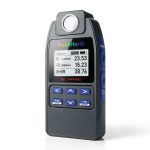
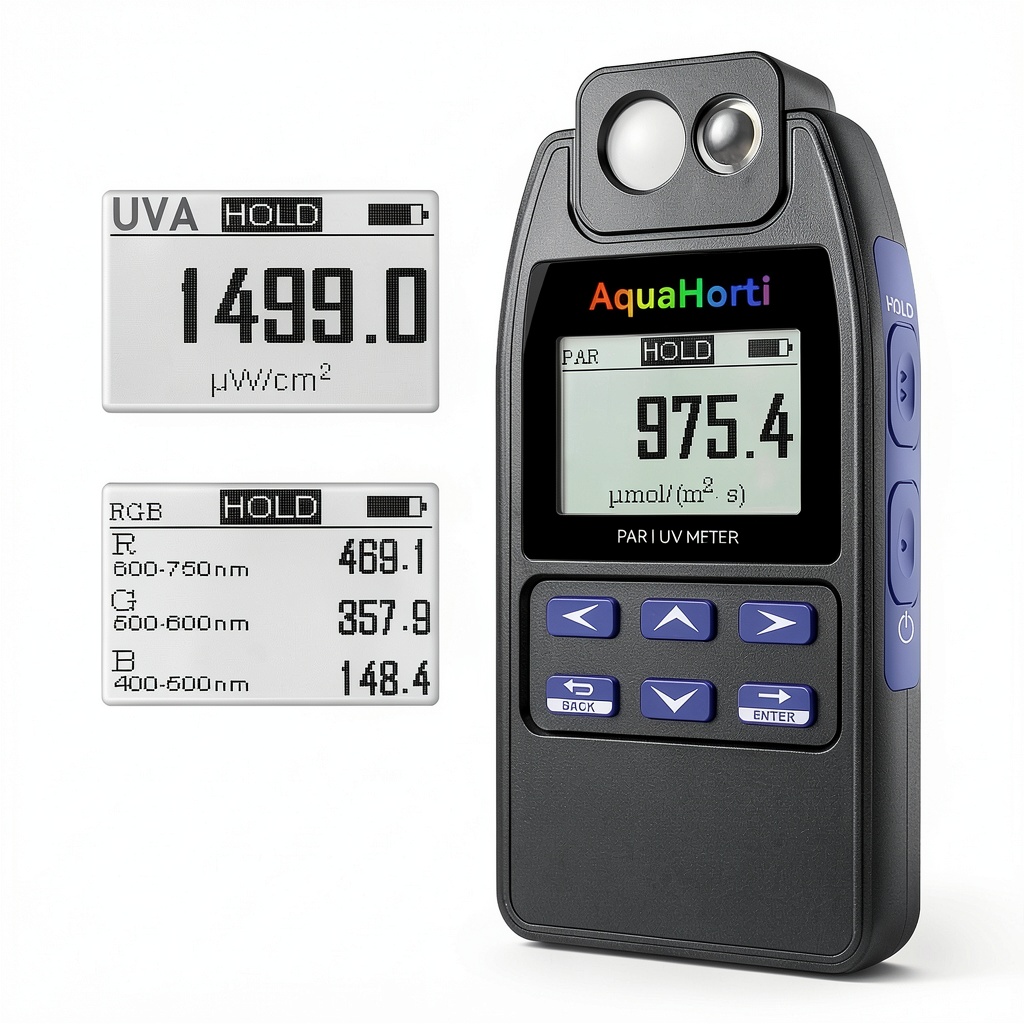
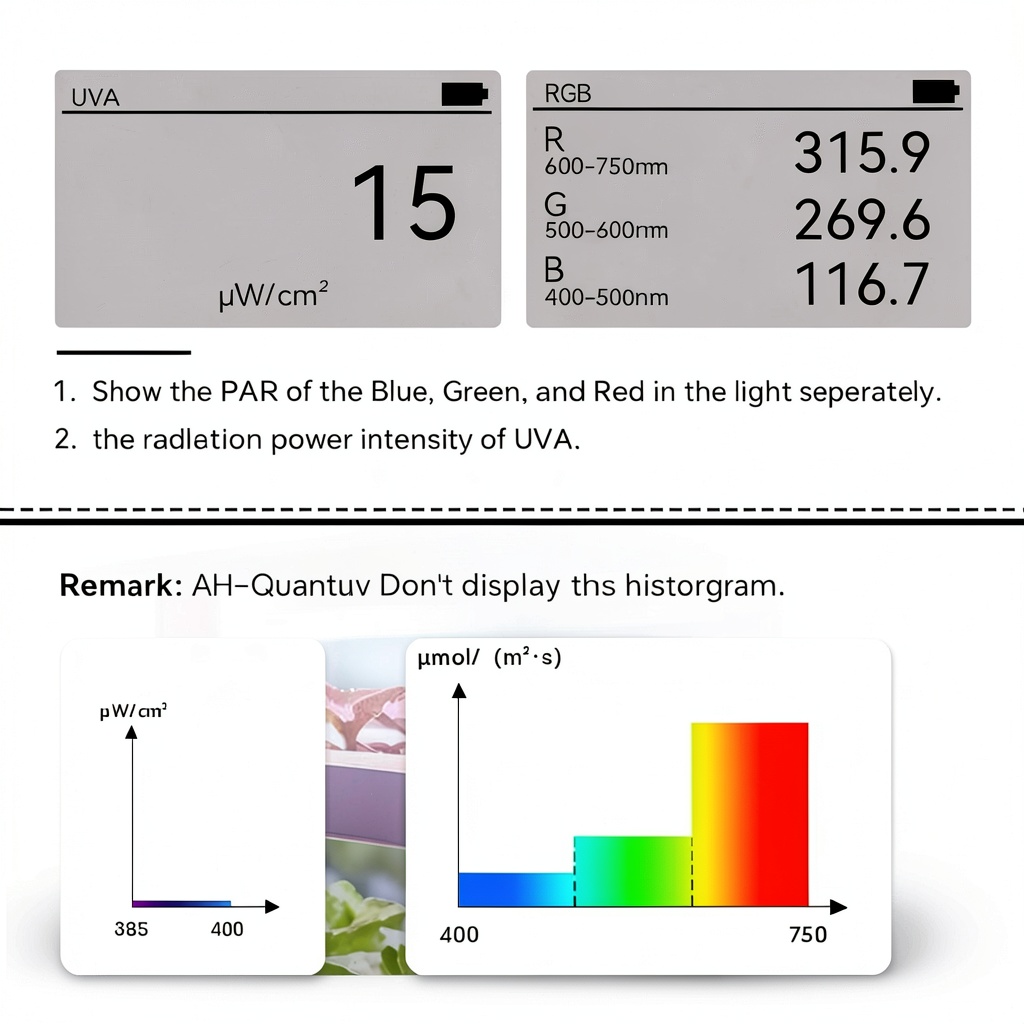
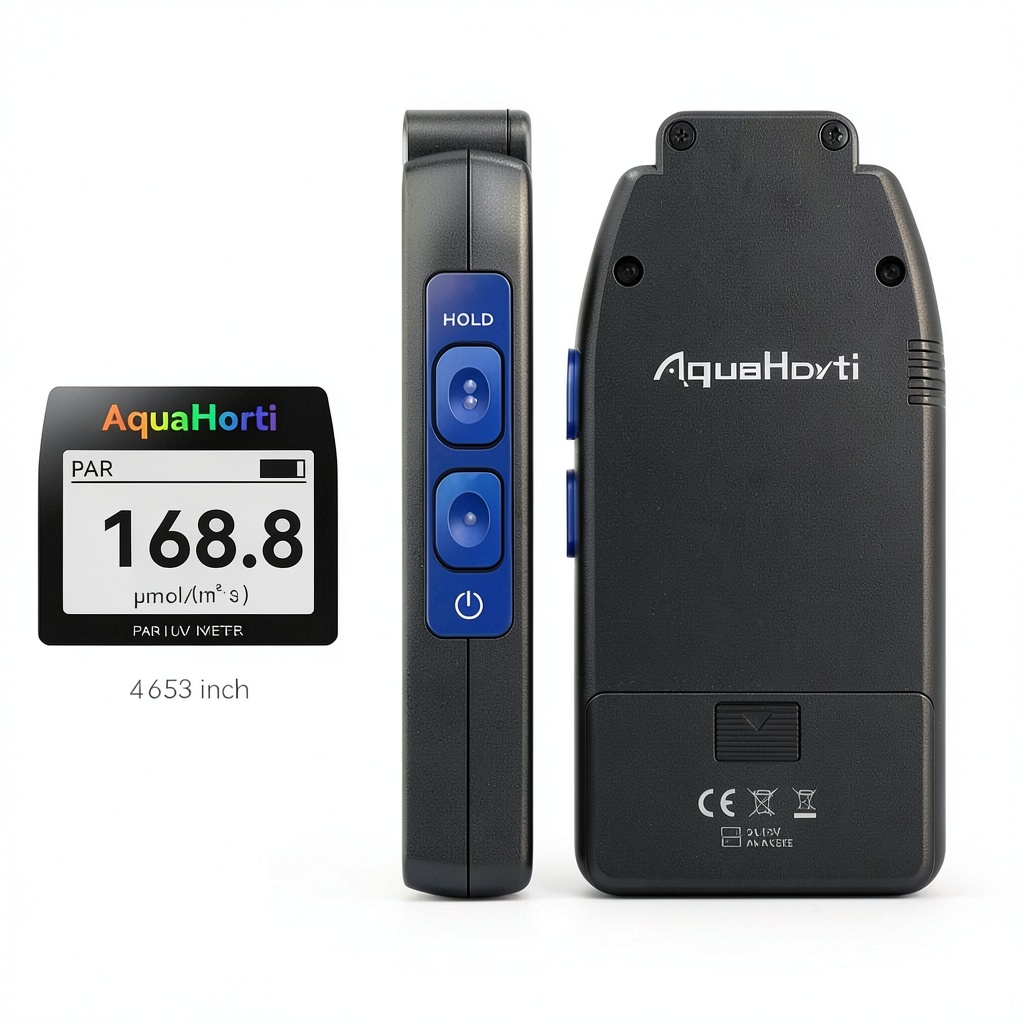
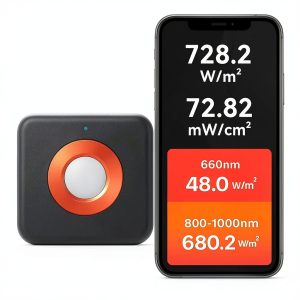
The AH-Quantuv PAR Meter is a compact, handheld instrument designed for accurate measurement of photosynthetically active radiation (PPFD) across the 400‑750 nm spectrum and ultraviolet A (UVA) radiation from 320‑400 nm. Inside the device resides a high‑precision PAR sensor IC sourced from a leading Japanese semiconductor manufacturer, ensuring measurement consistency that meets professional horticultural standards. The meter displays real‑time irradiance values in µmol·m⁻²·s⁻¹ for the overall PAR range as well as separate readings for the blue (400‑500 nm), green (500‑600 nm), and red (600‑750 nm) bands, allowing growers to assess the spectral balance of their lighting systems with confidence.
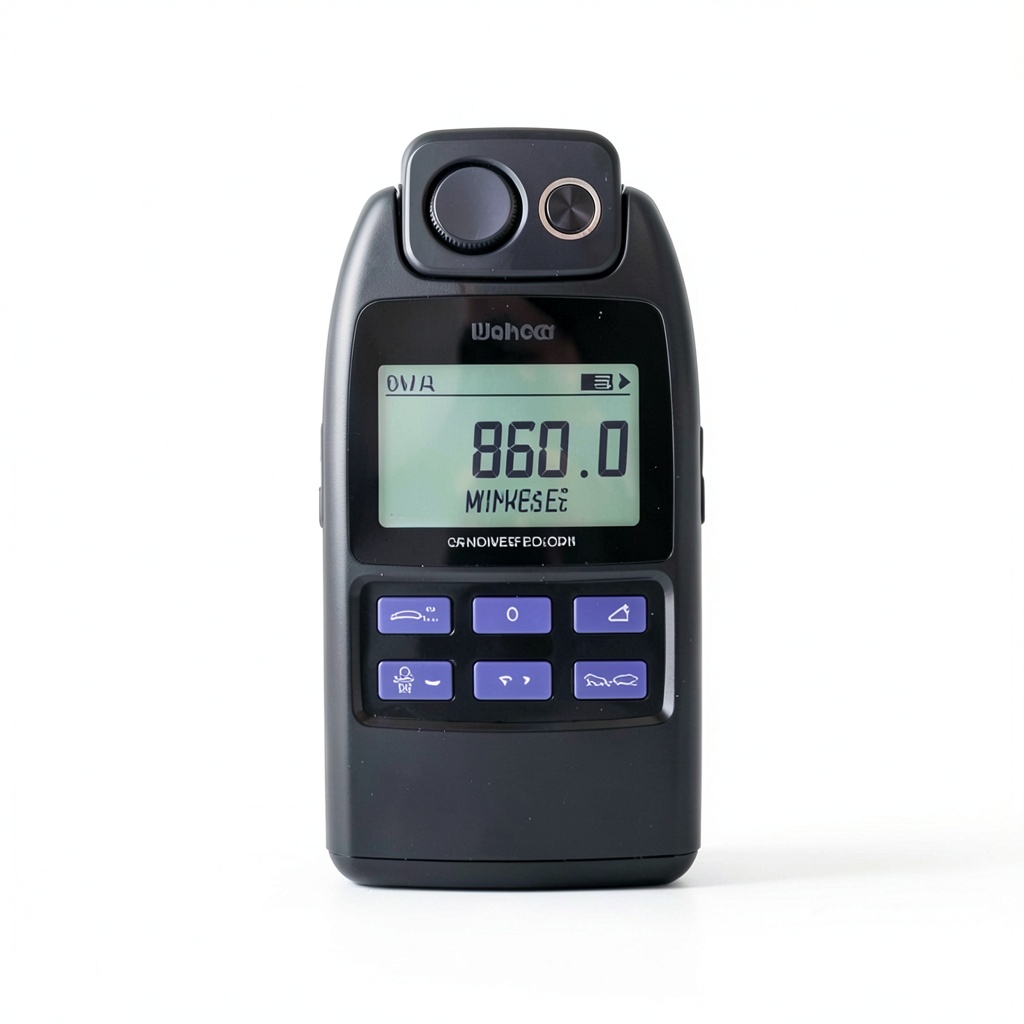
Equipped with a clear LCD panel, the meter presents data in an intuitive format: overall PPFD, individual RGB values, and UVA intensity in W·m⁻². Users can switch between measurement modes with a single button press, and the device automatically calibrates to ambient temperature variations, minimizing drift over extended sessions. The robust housing, measuring 7.48 × 4.02 × 1.46 inches and weighing only 6.7 oz, is built from impact‑resistant polymer that protects the internal electronics while remaining lightweight enough for field work.
Power is supplied by two AAA batteries, which are included in the package for immediate use. The low‑power design delivers up to 200 hours of continuous operation, and the battery status is constantly monitored on the display, alerting the user before depletion. A built‑in HOLD button freezes the current reading, enabling easy documentation or photography without the risk of data loss. The meter also features a backlight mode for low‑light environments, ensuring readability during night‑time inspections.
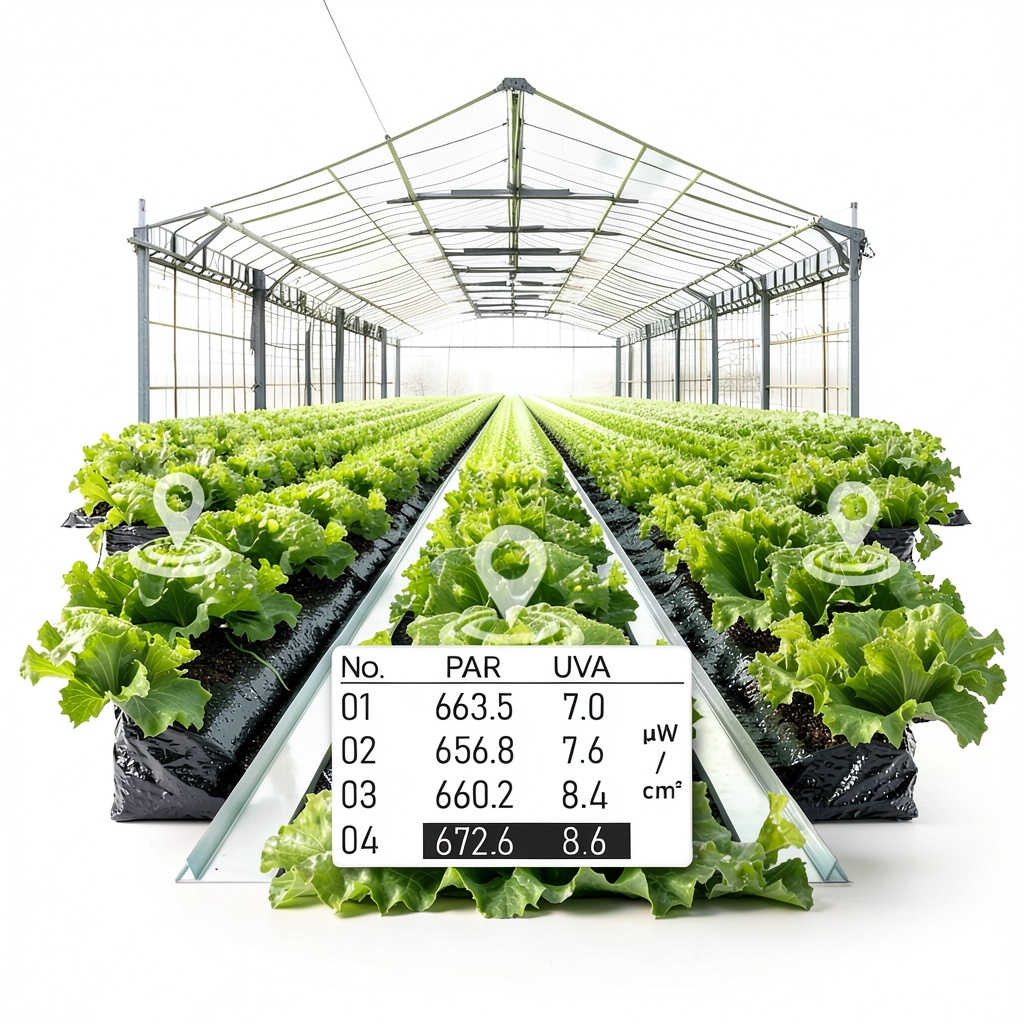
One of the standout capabilities of the AH-Quantuv is its data‑logging function. The device can store up to 100 individual PAR measurements, each timestamped automatically, allowing users to create a chronological map of light distribution across a grow area. Data can be exported via a USB‑type connector to a computer for further analysis, facilitating the creation of detailed PAR distribution maps that are essential for optimizing lighting layouts and ensuring uniform plant exposure.
The meter carries CE certification, confirming compliance with European safety and electromagnetic compatibility standards. Its rugged construction, combined with the precision of the Japanese sensor, makes it a reliable tool for commercial growers, research institutions, and hobbyist cultivators who demand trustworthy light measurements without the complexity of laboratory‑grade equipment.
Usage
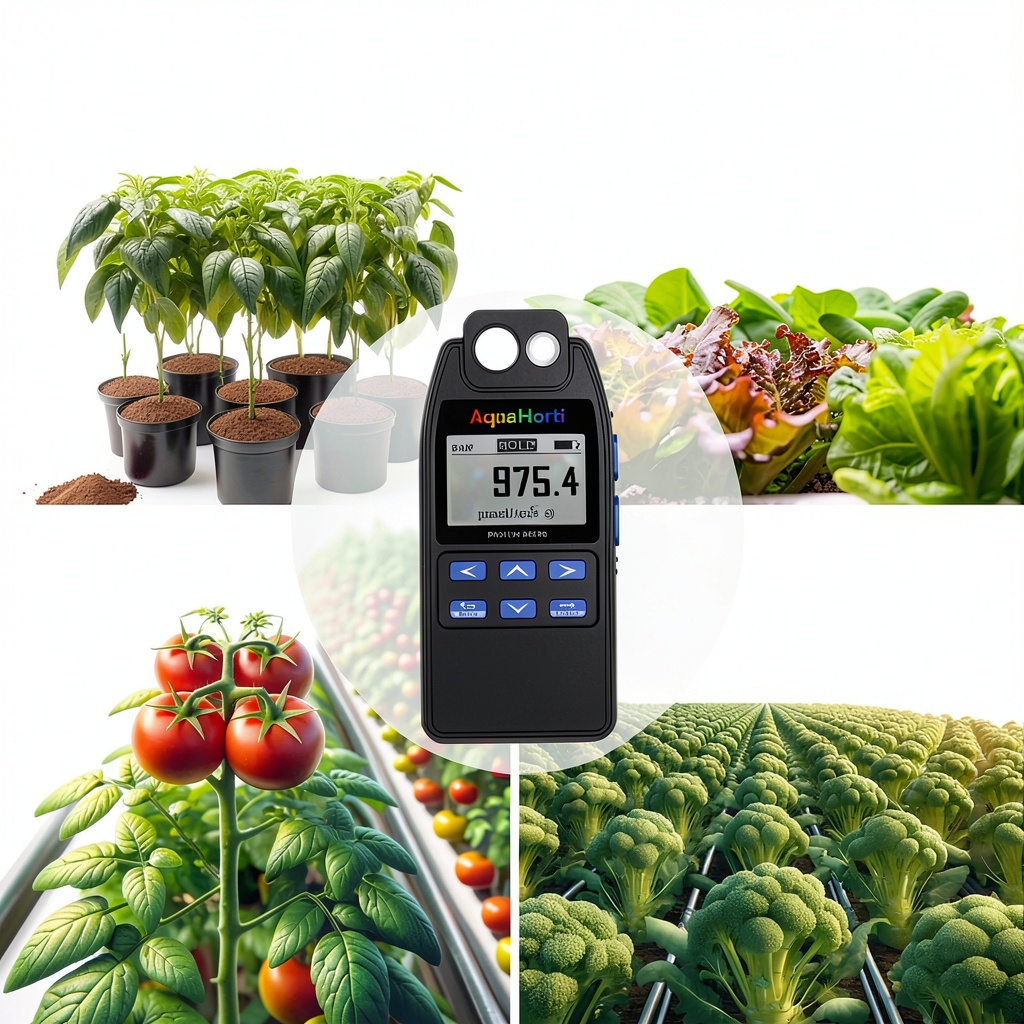
Designed for versatility, the AH-Quantuv PAR Meter excels in a variety of environments. In indoor vertical farms, operators can quickly assess the uniformity of LED panels, adjusting fixture height or intensity to achieve optimal PPFD levels for each growth stage. Greenhouse managers benefit from the ability to monitor natural sunlight penetration alongside supplemental lighting, ensuring that crops receive the correct balance of blue, green, and red wavelengths throughout the day.
Research laboratories use the meter to validate experimental lighting setups, recording precise irradiance values before and after modifications to light spectra. The handheld form factor also makes it suitable for field trials, where agronomists evaluate the impact of different lighting technologies on crop performance in real‑world conditions. Because the device logs data automatically, users can compile comprehensive datasets without manual transcription, reducing the risk of human error.
For hobby growers and home gardeners, the meter provides an accessible way to verify that their grow lights meet the recommended PPFD thresholds for seedlings, vegetative growth, and flowering. By displaying separate RGB values, users can fine‑tune their lighting schedules to favor blue light during early growth and increase red light during the flowering phase, promoting healthier, more productive plants.
Why Choose Us
Our commitment to quality begins with the sensor itself. The PAR sensor IC is sourced from a renowned Japanese semiconductor company known for its low noise and high linearity, delivering measurement accuracy that rivals laboratory spectrometers. Independent Q&A comparisons on major e‑commerce platforms consistently show the AH-Quantuv outperforming competing brands in repeatability and absolute error margins.
Beyond the sensor, the AH-Quantuv is engineered for user‑friendly operation. The interface requires no specialized training; a simple button layout guides users through mode selection, data logging, and export functions. The device’s firmware is regularly updated to incorporate the latest calibration algorithms, ensuring that performance remains consistent over the product’s lifespan.
Customer support is a core pillar of our service model. Every purchase includes a one‑year warranty covering manufacturing defects, and our technical team is available via email and phone to assist with calibration, data interpretation, or troubleshooting. We also provide comprehensive documentation, including a quick‑start guide, detailed user manual, and video tutorials that walk users through common tasks such as creating PAR distribution maps.
Key Features
- High‑precision Japanese PAR sensor delivers reliable PPFD and UVA readings for scientific and commercial applications.
- Separate RGB display lets growers fine‑tune light spectra to match specific plant growth stages, improving yield quality.
- Built‑in data logger stores up to 100 measurements with timestamps, simplifying the creation of light distribution maps.
- Compact, battery‑powered design with HOLD function enables on‑site readings without interruption, even in low‑light conditions.
- CE certified construction backed by responsive after‑sales support and a one‑year warranty for peace of mind.
FAQ
How accurate is the PAR measurement compared to laboratory spectrometers?
The sensor’s accuracy is within ±5 % of laboratory‑grade spectrometers across the 400‑750 nm range, making it suitable for both research and commercial grow operations.
Can the meter measure both LED and traditional HPS lighting?
Yes, the device is calibrated to handle a wide variety of light sources, including LEDs, high‑pressure sodium (HPS), metal‑halide, and natural sunlight, providing consistent readings regardless of the source.
What is the procedure for exporting logged data?
Connect the meter to a computer using the supplied USB‑type cable, then launch the provided software to download the stored measurements as a CSV file for further analysis.
Is the device suitable for outdoor field measurements?
While primarily designed for indoor use, the meter’s rugged housing and battery operation allow it to be used outdoors for short periods, provided it is protected from direct rain and extreme temperatures.
How often should the sensor be calibrated?
For most users, the factory calibration remains accurate for up to two years. If you require higher precision, a professional recalibration service is available through our support network.
Reviews
There are no reviews yet.